Content Warning: This article contains discussion of sexual assault.
Cornell University Rape Allegations
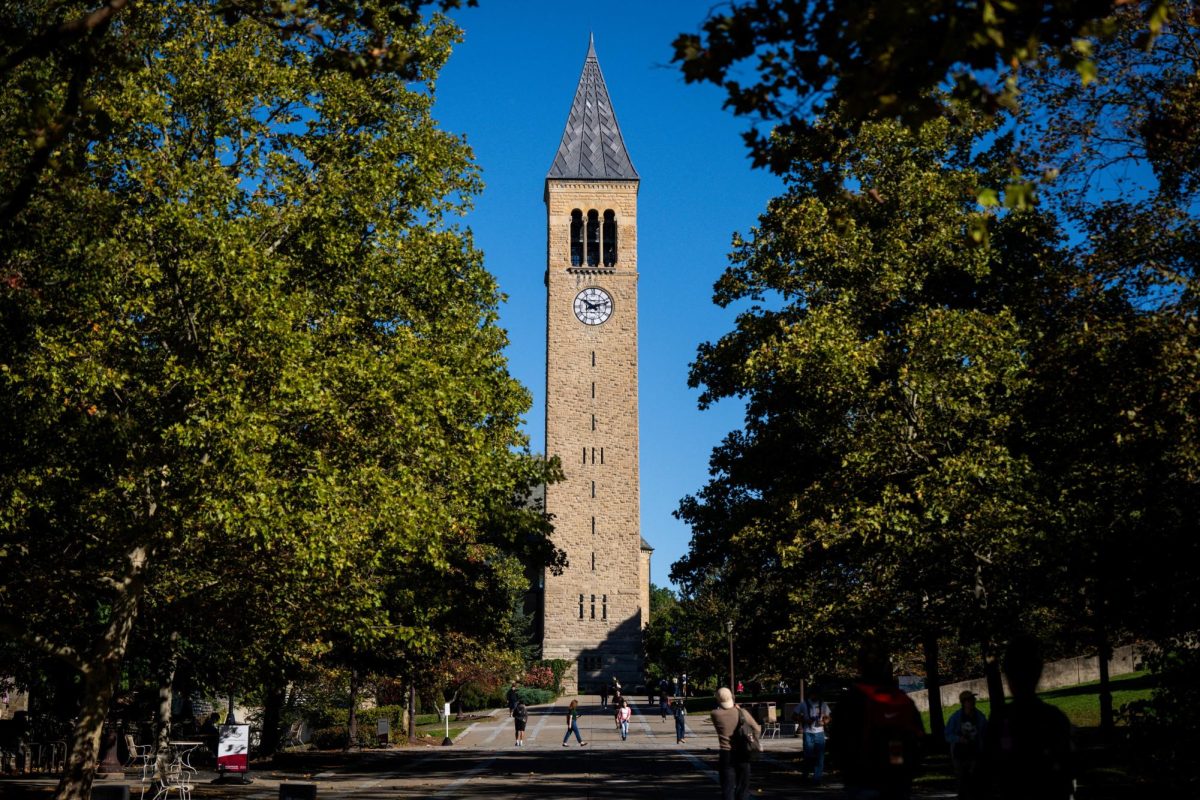
On Sept. 16, a woman identified by the pseudonym Jane Doe filed a lawsuit against seven men, the Chi Phi fraternity chapter at Cornell, Cornell University and others, alleging she was sexually assaulted in 2024 by the seven men. In the lawsuit, she accused the men of pressuring her into using ketamine, marijuana, and alcohol before becoming completely incapacitated while the men, members of the now-banned Chi Phi fraternity at Cornell University, forced numerous sexual acts on her.
The lawsuit stems from a lack of prosecution in 2024 by the Tompkins County District Attorney, Matthew Van Houten. Van Houten said his reason for not prosecuting was that Doe’s initial account did not include allegations that she was drugged against her will and incapacitated beyond her ability to consent. Van Houten maintained his 2024 decision, but agreed to review the newly acquired information. Shortly after, New York State Governor Kathy Hochul signed an executive order appointing New York Attorney General Letitia James to act as a special prosecutor overseeing the case.
With new light shed on the situation, much of the public, including students and faculty at Cornell University itself, have expressed frustration over the school’s initial handling and punishment of the allegations. Of the seven men, two of them — Matthew Ingalls and Jonathan Newell — were expelled due to their initiation of the sexual encounter with Doe.
Both Winston Lee and Gillio Lopes were suspended for upwards of two years and given several semesters of disciplinary probation upon their return. Along with this, they were both given no-contact orders and were required to study sexual harassment and write reflection papers.
An order was issued barring Diego Sarabia, who had since graduated, from campus for three years for the accusation of forcibly kissing Doe. Scott Norris and Scott Kretzschmar, who were accused of being part of the group of men who entered after reading Newell’s Snapchat message inviting Chi Phi Fraternity members to the room where Doe was undressed, were also given no-contact orders and required to study sexual harassment, social media use and bystander intervention, and to write reflection papers. Cornell found Kretzschmar guilty of attempted sexual exploitation.
Cornell University announced it supported the decision to reopen the investigation, as well as employ lawyers to independently investigate the university’s response to the allegations. Along with this, several universities and colleges across the United States have been called upon to review their own handling of sexual assault and Title IX cases.
Student Protests in France
Since late September and as of late October, over 250,000 people have rallied throughout France demanding increased educational funding. Riot police have utilized tear gas and batons to break up violent protests, and more than 700 police officers along with at least 300 students and school staff members have been injured in violent clashes. Over 5,000 arrests have been made, with 85% of the detainees being minors.
The protests focus on the public school system’s alleged insufficient resources, short-staffing, and dilapidated facilities. These protests plague an already-tense upcoming French presidential election, with candidates finding education a critical issue leading up to the election.
The current French government’s early October state budget proposal contained educational funding totaling 65.5 billion euros (74 billion USD), increasing from the previous year’s education budget of 64.5 billion euros (72 billion USD). The proposed funding accounts for 19.3% of the total 2027 mandated spending budget of 339.7 billion euros (381 billion USD). Government officials have also pledged the creation of emergency plans to address staffing shortages. This has done little to calm protests.