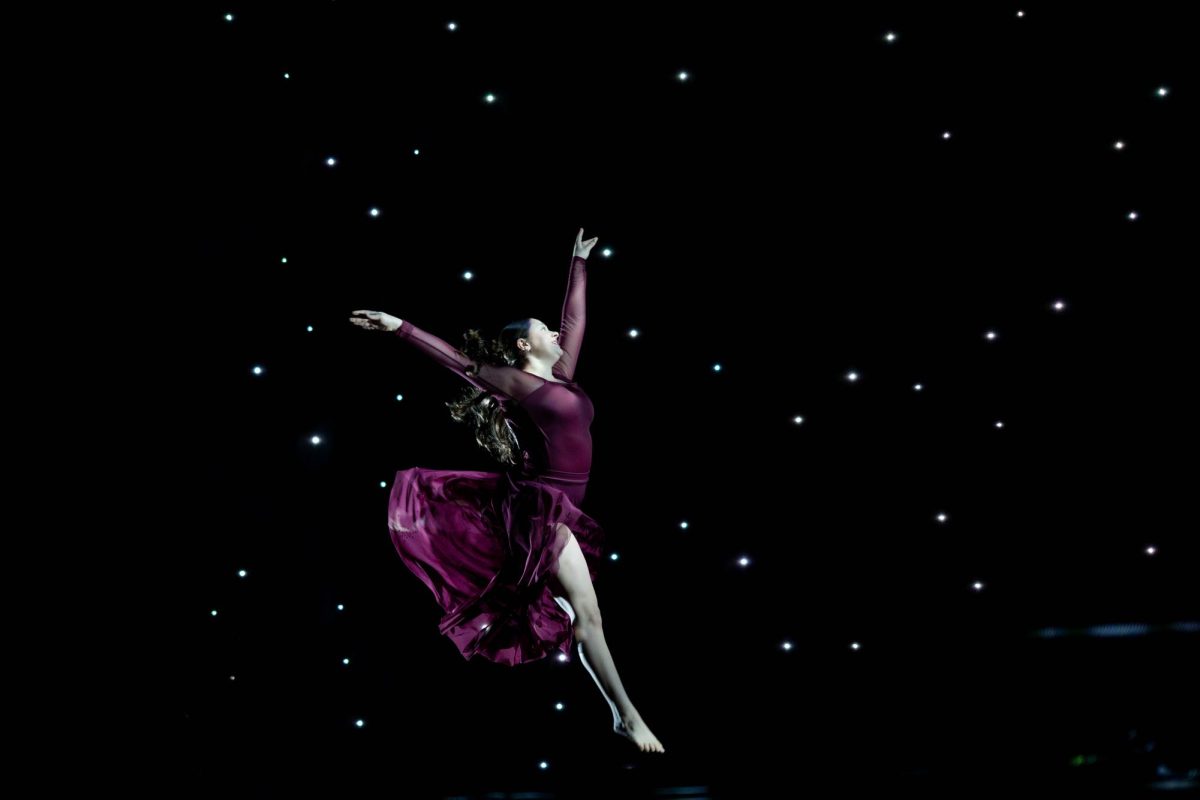
This spring semester brings the much-anticipated opening of the Performing Arts Center. The center, recently renamed from the Music Performance Theater, was built primarily as a venue for theatrical performances. In addition to plays, musicals, operas and dance, the theater is anticipated to host additional performance mediums, including film screenings and orchestral performances. The defining element of the center house is a 1927 Barton Opus 234 pipe organ.
The center will be run collaboratively between the University Arenas, which operates venues like the Gene Polisseni Center, and the School of Performing Arts. In the front of house, the University Arenas plans to employ students through a variety of positions, including ticket-takers, ushers, coat-checkers and concessions. The back of house will be staffed by professionals reporting to the School of the Performing Arts, with additional student employment opportunities being explored.
“The focus has been on making sure we can provide all the facilities that the growing number of students need,” said Erika Haskell, Director of the School of Performing Arts. “We hired a number of faculty, and we’re working on our curriculum development.”
Ben Willmott, Director of Operations and Administration in the School of Performing Arts, added, “We have a direct channel and connection to [Performing Arts Scholars], so it makes a lot of sense for us in the School of Performing Arts to oversee the back-of-house operations.”
Emily Heyman, Director of the Performing Arts Center, explained that the goal is to make many of the spaces in the center available for all student groups to utilize.
“We are open as a venue to student groups across the university that have an interest in playing or being in the space,” Heyman said.
The outdoor amphitheater, rehearsal space, lobby, theater and an additional multi-purpose room will all be reservable through RIT’s EMS portal. Both Haskell and Heyman expressed an interest in making the 99-year-old theater organ available for student lessons and rehearsals. The final condition of the restored instrument will be an important factor in that decision.
Heyman stressed the importance of removing barriers for RIT groups to utilize the theater. “We want to make the theater accessible to all of RIT.”
Student groups looking to use the theater itself for events and rehearsals will not need to pay a rental fee, but will need to pay additional costs associated with events, including front-of-house services like ushering or security and back-of-house services (such as set shop, lighting, etc.).
Wilmott stated, “We do our best to supplement any cost on the School of Performing Arts side to ensure that we can adequately facilitate what students want to do.” Differential payment structures for internal and external groups, which could lower financial barriers for students to utilize the space, are being developed.
Haskell and Heyman conveyed that the center is in an exploration stage. Decisions on how to best accommodate students and utilize the space are being deliberated. Funds are being raised to purchase a supplemental percussion set, conversations on whether to purchase an orchestral shell are active, and many potential uses for the theater and rehearsal spaces are being explored.