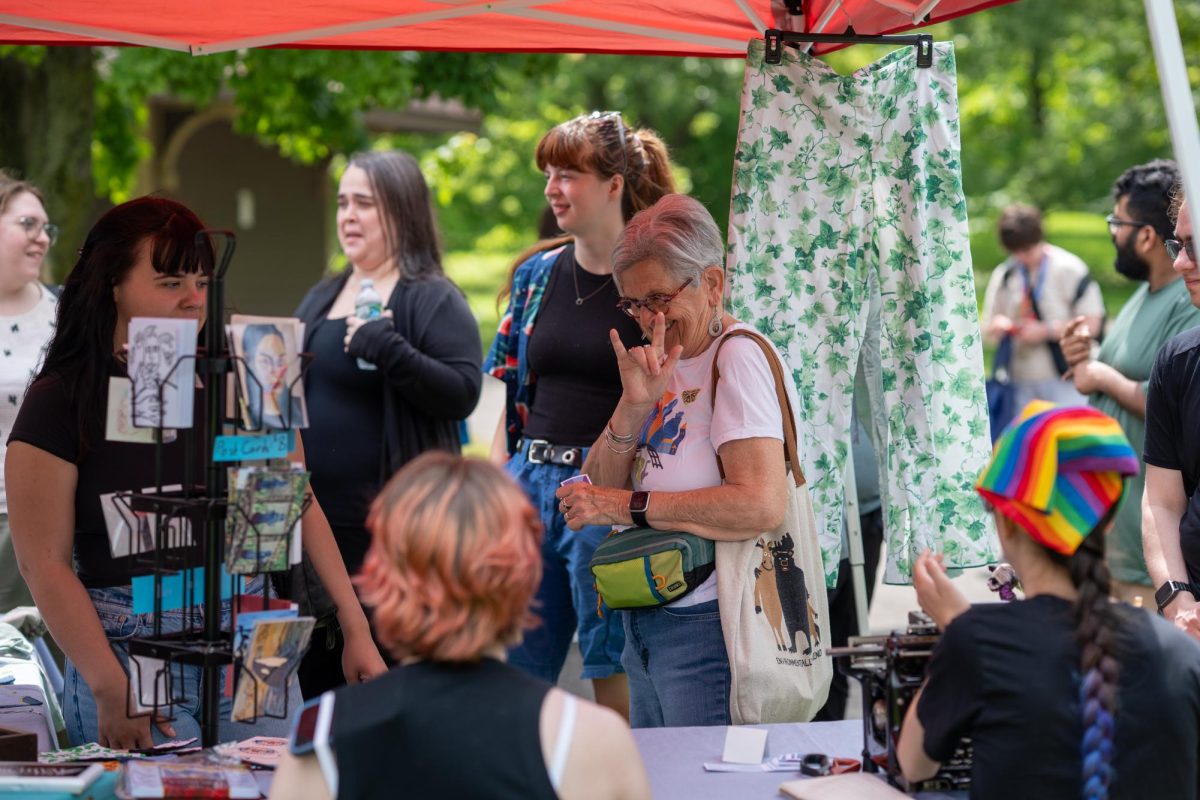
On a humid June morning, Rochester Deaf Festival kicked off their 12th event at the Genesee Valley Park. Beneath blue skies, hundreds of Deaf, DeafBlind and hearing people from all over New York and beyond came to shop, meet old friends and enjoy a cherished event.
Rochester Deaf Festival debuted in 2008, after the founder Chad Ludwig sought to replicate the success of the 2004 Seattle Deaf Festival. The festival was held annually until 2015, when it switched to a biannual schedule due to the high commitment needed from the event committee, which is composed entirely of volunteers.
Arlene Hsieh Sankey, the president of the Rochester Deaf Festival team since 2015, shared, “Rochester Deaf Festival is important to the Deaf community — not only the Deaf community, but the DeafBlind, Disabled and hearing community and they’re all welcome.”
Dozens of vendors set up canopies along the pavement in front of the Roundhouse Shelter, offering everything from handmade goods and artwork to important resources for the community. The Rochester Deaf Kitchen, the world’s only food pantry run by and for the Deaf community, tabled at the festival and sold stickers, magnets and tote bags to promote awareness about their facility. Visitors browsed merchandise from 58 Creativity, chatted with the Legal Assistance of New York and ate some delicious food from visiting food trucks.
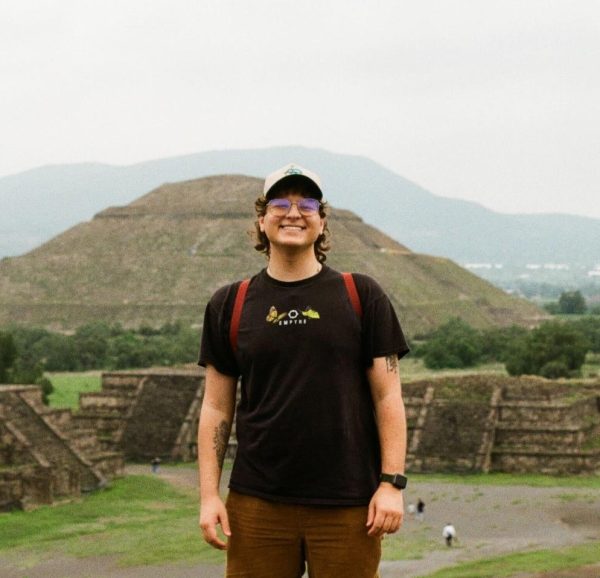
Among the vendors was Patchwork and Poetry, founded in May 2025 by RIT alums Emily Ohl, (Industrial Design ‘26), and her girlfriend Maggie Boyle, (ASL- English Interpretation ‘26). The pair combined their skills in poetry and crafts and found an opportunity to showcase and sell their work at the festival.
“Rochester Deaf Festival is so different [from other festivals], because I can go up to each vendor and talk to them, build connections and build community,” Ohl shared. “Most of the time when we table at festivals, all the other vendors are hearing, and sometimes Deaf people come to our table.”
Boyle agreed and added that Deaf representation in both the vendors and customers made the experience more meaningful.
“Honestly, most of the Deaf people who come to our table are there because we told them we were selling there,” Boyle said.
For many attendees, the festival is more than just shopping and watching ASL performances; it serves as an opportunity for hundreds of Deaf people to congregate during the summer months and share their culture.
The event serves as a beacon of community for visitors from the area, neighboring states and even as far as Missouri. Sankey explained that she got a Facebook message from a hearing woman who told her that she was moving to Rochester from Missouri for her Deaf son.
“She was so excited to come to this festival,” Sankey recalled. “When I asked why she was moving to Rochester, she said that it was the best place for her Deaf son.”
When Sankey later met the woman and her son, she observed the Deaf boy enthusiastically taking in the richness of the culture and trying to follow other adults and children who were using sign language. For Sankey, that moment solidified her desire to volunteer at the festival for years to come.
Sankey hopes that the Rochester Deaf Festival will continue to expand and influence other states and cities to establish their own festivals for Deaf communities.
“I strongly encourage [RIT/NTID students] to go to school and come support and learn the resources at the festival through information exchange, and possibly support their businesses in the future,” shares Sankey.
As the day ended, visitors left the festival with a stronger connection to the community and a burning desire to return in 2028.